Cake decorating in Nigeria is a vibrant and growing art form that blends traditional flavors with creative designs, reflecting the rich and festive spirit of the country. Here’s a quick overview of the cake decorating scene in Nigeria and how you can get involved or learn more.
What is cake decorating?
Cake decorating is the art of decorating a cake for special occasions such as birthdays, weddings, baby showers, national or religious holidays, or as a promotional item.
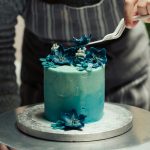
A cake decorator is a person who designs and decorates cakes using edible materials, such as icing, fondant, chocolate, and food coloring. Their job is to make cakes look beautiful and creative for special occasions like birthdays, weddings, anniversaries, and holidays.
Introduction
Cake decorating in Nigeria has grown from a small-scale craft into a thriving industry that blends creativity, cultural traditions, and modern artistry. Cakes are no longer just desserts; they serve as symbols of celebration, status, and personal expression in events such as weddings, birthdays, anniversaries, religious festivals, and corporate functions.
History and Growth of Cake Decorating in Nigeria
- Early beginnings: Traditionally, celebrations often featured local pastries such as puff-puff, chin chin, and meat pies. Cakes were considered a luxury and mostly reserved for the elite.
- Western influence: The introduction of sponge cakes and fruit cakes came with colonial influence and missionary schools, where baking became a household skill.
- Modern era: With urbanization and globalization, cake decorating has become a flourishing profession. Today, Nigeria boasts numerous professional bakers, cake schools, and international-standard cake exhibitions.
Popular Cake Decorating Styles in Nigeria
(a) Buttercream cake decorating Designs
Buttercream is a mixture of butter and powdered sugar, creating a creamy, versatile topping that is perfect for various occasions. Widely used because of affordability and availability, it is versatile and colorful, adding a moist creamy texture and rich flavour to the cake, and can easily be customized with different colours. Known for smooth finishes, floral piping, textured designs, and dimensional effects using various techniques
Whipped cream consists of heavy cream and sugar with vanilla flavor, and is used mainly for smaller budgets and children’s birthdays; however, they are less stable in hot Nigerian weather compared to fondant or buttercream.
Tall layered cakes is a multi-layer cake with wooden or plastic rods inserted into the cake for support, with cake boards to achieve their height, and with buttercream or any filling of choice in between the layers.
Color drip cakes are cakes covered or coated with a smooth frosting of buttercream or whipped cream, topped with ganache or glaze that drips artfully down the sides. These drips can be made in any colour, turning ordinary cakes into masterpieces. In cities like Abuja and Lagos vibrant and artistic cake designs. featuring bold drips, colourful ombre and decorative toppings like candles, chocolate, and cookies are increasingly in demand for birthdays, weddings, and corporate events.
Themed buttercream cakes for children featuring cartoon characters, superheroes, and football clubs are popular. However, Nigeria’s heat and humidity can cause buttercream to melt quickly. Bakers often refrigerate these cakes until delivery. Additionally, without fondant’s firm shell, buttercream cakes are more fragile during transit.
(b) Fondant Cake decorating designs
Fondant is a pliable icing made from sugar, water, gelatin, and glycerin. It can be rolled, sculpted, or molded into decorative elements. In Nigeria, bakers often adapt recipes to withstand heat and humidity. Fondant cakes remain the most popular choice for weddings in Nigeria. It allows for sculpting, realistic figurines, and luxury finishes. Its smooth, pliable, and moldable texture allows for a flawless, polished finish and intricate details like 3D sculptures, delicate flowers, and smooth surfaces that are difficult to achieve with other icings. It can be combined with edible lace, gold leaf, and sugar flowers for elegance. It serves as an edible canvas for advanced techniques such as painting and embossing, transforming cakes into professional-looking works of art, particularly for special occasions. Fondant cakes are the hallmark of elegance and prestige in Nigeria’s cake industry.
Rolled Fondant: The most common type, used to cover cakes.
Sculpting Fondant: Used for 3D figures like handbags, shoes, cartoon characters, and flowers
Popular Fondant Cake Styles in Nigeria
Traditional Multi-Tiered Wedding Cakes
The practice of multi-tier wedding cakes in Nigeria largely stems from British colonial influence, but over time, it has evolved to reflect Nigerian traditions. Today, they are very elaborate, with 3-7 tiers, and even larger at high society weddings. Cultural infusion in cake decorating in Nigeria blends Western style with Nigerian cultural elements so that the cake looks pretty as well as tells the couple’s story and reflects their heritage. In Igbo weddings, we have cakes decorated to look like like palmine gourds, traditional caps, while Yoruba weddings cakes are decorated to mimic beaded crowns, talking drums,gele, and the like. Other traditional symbols, like cowries, coral beads, and fabric textures, may be incorporated into the cake decoration.
Sculpted Cakes
Sculpted cakes, also known as novelty or celebration cakes, represent a creative form of cake decoration that differs from traditional round or square tiers. These cakes have evolved into remarkable examples of edible art, as they are carved and shaped into intricate 3D forms. These creations often combine fondant, modeling chocolate, and gum paste to bring imaginative concepts to life. From realistic animal shapes and handbags to shoes, books, cars, cultural symbols, and playful figurines, sculpted cakes are commonly crafted for milestone birthdays and luxury parties.
Themed Fondant Cakes
Themed fondant cakes are cakes decorated with a particular concept or idea, which allows the cake to visually represent a theme, making it more personalized and special. Examples are cartoon characters for children’s birthdays, branded cakes for corporate events, anniversaries, and product launches.
Luxury & Royal Cakes
Luxury and royal cakes in Nigeria are a significant trend, especially for weddings, birthdays, and high-end celebrations. These cakes are statement pieces- tall, elegant, and richly decorated with fondant edible gold crystals and intricate designs common to high-profile weddings.
Cultural Relevance of Fondant Cakes in Nigeria
Weddings: The cutting of the wedding cake is one of the most important highlights of Nigerian weddings, symbolizing unity and shared prosperity. Fondant cakes dominate this tradition.
Birthdays: Milestone birthdays (40th, 50th, 60th, etc.) are usually celebrated with large fondant cakes.
Religious & Festive Events: Christmas and Easter cakes are often made with fondant for aesthetics
Corporate Events: Companies use fondant cakes for branding, with edible logos and inscriptions.
Advantages of Fondant Cakes in Nigeria
Elegant presentation: Smooth and professional finish suitable for prestigious events
Versatility: Can be molded into any shape or design.
Durability: Holds up better in Nigeria’s hot weather compared to buttercream.
Longer shelf life: Protects the cake beneath from drying out quickly.
Challenges of Fondant Cakes in Nigeria
Fondant cakes are generally more expensive than buttercream cakes due to the ingredients and labor involved. While some Nigerians find fondant too sweet, many prefer the taste of buttercream.
Nigeria’s tropical climate contributes to challenges with fondant, as the heat can make it soft, sticky, and prone to melting. Additionally, high humidity can cause the cake to sweat, ruining its colors and smooth finish.
Bakers often face difficulties when transporting tall fondant cakes, as they are at risk of collapsing. Creating fondant cakes requires more training and precision compared to buttercream cakes, and the sculpting and decorating process can take several days. Furthermore, cakes often need to be stored in refrigerators to maintain their firmness,unstable electricity is a major challenge in this area.
How bakers overcome the challenges
Using stabilizers and quality fondant brands.Working in air-conditioned environments.
Stacking cakes at the venue instead of transporting them fully assembled.Blending buttercream with fondant (hybrid designs).Educating clients on costs, designs, and realistic expectations.
Naked and Semi-Naked Cakes
- Trendy in urban areas for rustic-themed weddings and bridal showers.
- Climate: The hot and humid weather in Nigeria makes naked cakes more delicate, as they lack a protective frosting layer. Bakers must ensure proper cooling and short delivery times.
- Ingredient cost: Imported fruits and berries used for decoration can be expensive.
- Customer acceptance: Some Nigerians still see naked cakes as “unfinished,” preferring the traditional polished fondant look.Minimal frosting with fruits, flowers, or drips for a natural aesthetic. Naked and semi-naked cakes are a modern cake decorating trend that has found its way into the Nigerian cake industry. Unlike traditional fondant or heavily frosted cakes, these cakes showcase the natural layers of sponge and filling, with little or no outer frosting. They are loved for their simplicity, elegance, and rustic charm.While fondant and buttercream remain dominant in Nigeria, naked and semi-naked cakes are becoming trendy in urban areas such as Lagos, Abuja, and Port Harcourt. They are particularly popular among:
Since these cakes are “bare,” Nigerian bakers usually enhance them with creative toppings, including:
Weddings: Naked and semi-naked cakes are chosen for intimate or destination weddings. Some couples prefer them for the “engagement cake,” while opting for fondant for the main cake. cake Young couples looking for minimalist wedding cakes
Clients who prefer natural and less sugary options, simple-themed or garden-style events such as bridal showers, outdoor weddings, and baby showersFresh fruits: Strawberries, grapes, blueberries (often imported), or locally available fruits like pineapples and oranges.Fresh or edible flowers: Roses, hibiscus, or food-safe floral arrangements. Chocolate drips: Dark, milk, or white chocolate drizzles for elegancNuts and seeds: Almonds, cashews, or coconut flakes for texture. Minimal toppers: Wooden or acrylic cake toppers with inscriptions like Love, Mr. & Mrs., or celebrant names. Birthdays: Popular among young adults who want a chic but affordable option.Corporate events: Less common, as companies usually prefer fully branded Naked Cake: A cake with no outer frosting at all, leaving the sponge layers completely exposed. Sometimes topped with fruits, flowers, or a light dusting of powdered sugar.Semi-Naked Cake: A cake with a thin layer of frosting (usually buttercream or whipped cream), scraped back to partially reveal the sponge. It has a “lightly frosted” rustic look
. .
Cultural Significance
- Weddings: Multi-tiered fondant cakes symbolize prosperity, unity, and abundance. Cutting the wedding cake is a significant tradition.
- Birthdays: Cakes often reflect the celebrant’s personality, hobbies, or age milestone.
- Religious Events: During Christmas, fruit cakes and sponge cakes are common.
- Corporate Branding: Companies use customized cakes to celebrate anniversaries, product launches, and staff appreciation events.
Cake Decorating Training and Schools in Nigeria
- Professional institutions like Satin Tastes Cakes (Lagos), Mix n Bake (Abuja & Lagos), and Fairytale Cakes Academy (Port Harcourt) provide training.
- Many bakers also learn through online tutorials, Instagram classes, and YouTube.
- Certifications are becoming important for bakers who wish to compete internationally.
Challenges in the Cake Decorating Business in Nigeria
- High cost of ingredients: Fluctuating prices of flour, sugar, and butter affect pricing.Unstable electricity: Bakers rely heavily on generators, which increases production costs.
- Weather conditions: A Hot and humid climate makes the storage and transport of decorated cakes challenging.
- Competition: The industry is saturated, requiring creativity and unique branding to stand out.
Emerging Trends in Nigerian Cake Decorating
- Fusion of African culture: Cakes designed with Ankara patterns, Adire themes, or traditional motifs.
- Use of edible prints: Photos, logos, and cultural designs printed directly onto cakes.
- Healthy alternatives: Gluten-free, keto, and sugar-free cakes are gaining popularity.
- Luxury cakes: castle, Tall, gravity-defying, and chandelier cakes for high-end weddings.
- Digital marketing: Instagram and TikTok are powerful platforms for showcasing cake artistry.
Business Opportunities in Cake Decorating
- Home-based baking businesses.
- Event collaborations with decorators, caterers, and planners.
- Cake tools and supplies stores.
- Online training and workshops.
- Franchise cake shops in urban centers.
In conclusion, Cake decorating in Nigeria has evolved into both an art form and a profitable venture. From modest buttercream designs to elaborate fondant masterpieces, cakes play a vital role in Nigerian celebrations. With creativity, resilience, and continuous innovation, the cake industry in Nigeria will keep flourishing—blending tradition with modern artistry.
Getting Started in Nigeria
- Find Local Supplies: Visit markets or online shops specializing in baking ingredients and tools.
- Learn Online: Follow Nigerian bakers and decorators on YouTube and Instagram for tutorials.
- Join Communities: Join Nigerian baking Facebook groups or WhatsApp groups to share tips and get support.
- Practice: Start simple — try buttercream roses or basic fondant shapes before moving to complex designs.